
Does regenerative farming work?
Our farmers already have the proof.
Living Proof Ag Research funds farmer-led, field-scale research with a major land-grant university, turning proven regenerative practice into evidence everyone can use.
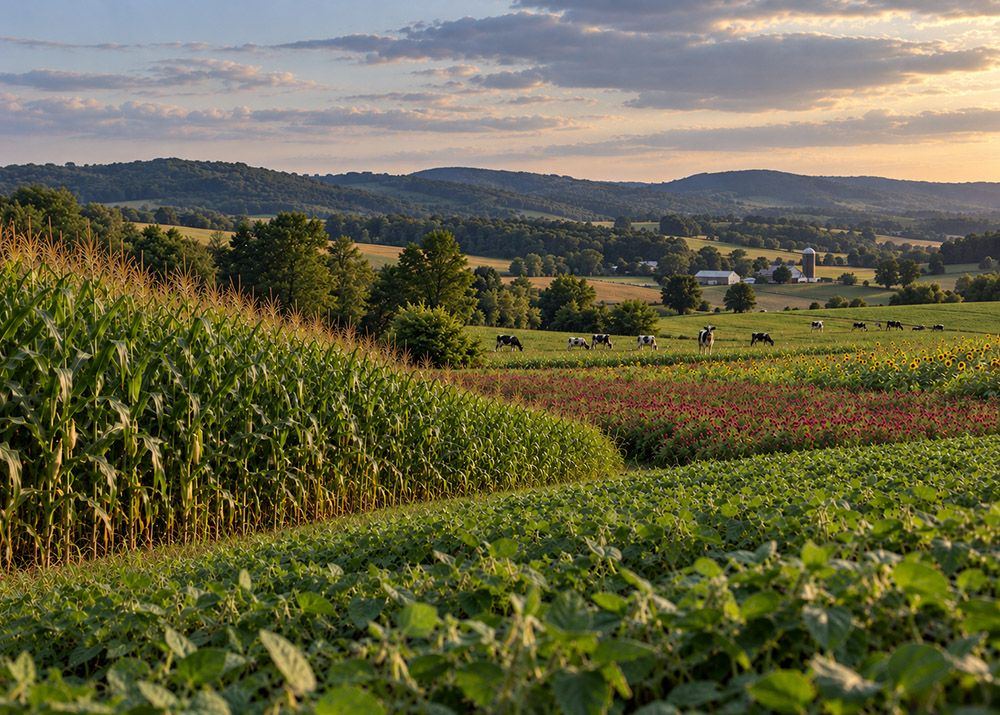
Turning what works into what's known.
Across Pennsylvania, farmers have spent years, even decades, building regenerative operations that are diverse, resilient and profitable. Their soil is healthier, their businesses are sound, and their results are real.
Pennsylvania already leads the nation in conservation. The state ranks in the top five for no-till planting and for percent of crop acreage planted with cover crops. The next step is understanding what these systems deliver, and proving it.
But results on one farm may not translate elsewhere.
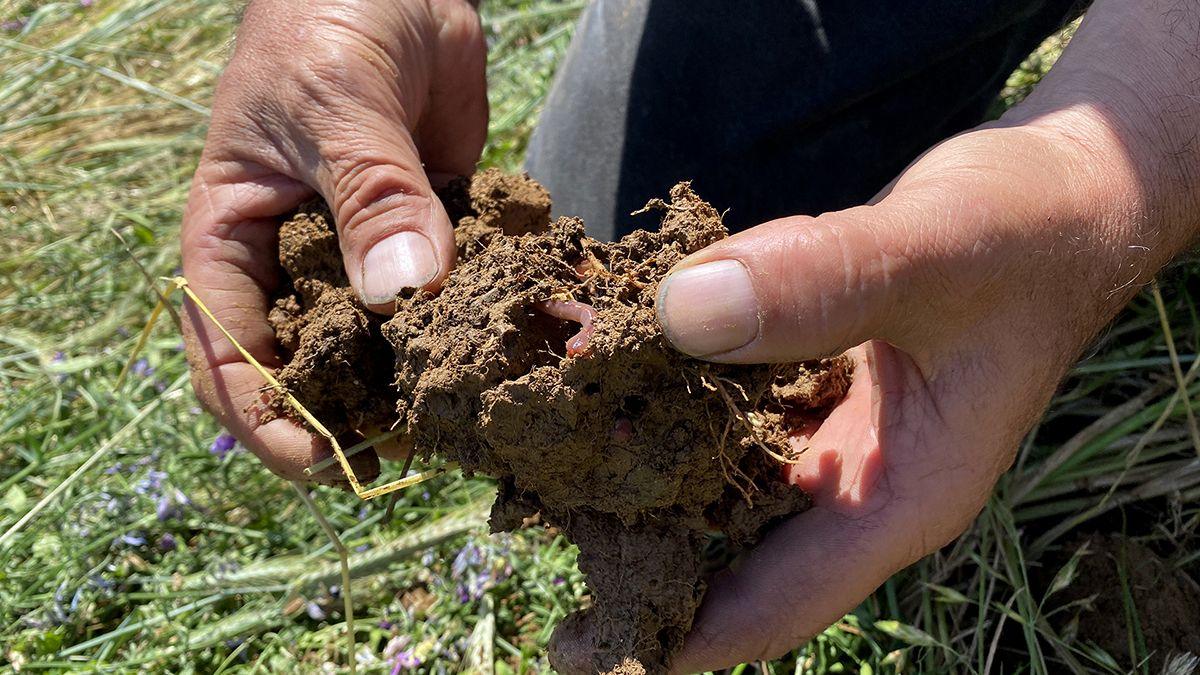
The knowledge is genuine, but it stops at the fence line. Living Proof Ag Research exists to carry what works past the fence so it can make a world of difference.
A nonprofit governed by Pennsylvania farmers.
Living Proof Ag Research is the public name of The Pennsylvania Regenerative Agriculture Research Foundation. We raise and direct the funding that makes independent regenerative agriculture research possible at our 110-acre regenerative research center, in partnership with a major land-grant university.
Our mission
To fund and guide farmer-driven research that turns proven regenerative practice into trusted, replicable evidence for Pennsylvania agriculture.
Our vision
A Pennsylvania where every farmer, lender, agronomist and policymaker can make decisions about regenerative agriculture based on credible, farmer-led evidence.
Farmers hold the evidence. The University holds the method.
Neither is enough alone. Here's how the two come together.
- Farmer board
Farmers set the questions.
Our farmer board identifies the research questions that matter most to working operations at real scale.
- Foundation
The Foundation funds the work.
Donor and partner support pays for research the market and public budgets don't cover.
- The university
University scientists design and run the research.
Researchers from a major land-grant university bring rigorous, independent methods.
- The land
The land is managed regeneratively.
Research happens in a truly healthy system, so findings reflect what regenerative farms actually experience.
- Everyone
The findings travel.
Meaningful, actionable and transferable results are published and shared with farmers, lenders, agronomists and policymakers.
The proof is already here. The research makes it count.
It lives in biodiversity, in living soil and in the people who care for it. Research makes it count for everyone else.
| Who | What they need | What the research gives them |
|---|---|---|
| Farmers | Confidence before changing their system | Replicable results from operations like theirs |
| Lenders | Risk they can measure | Documented yield, cost and profitability data they can underwrite |
| Policymakers | Evidence they can cite | Independent, peer-reviewed findings |
| Agronomists & advisors | Methods they can trust and recommend | Field-scale data, not small-plot extrapolation |
| The next generation | Land and businesses worth inheriting | A clearer path to soil health and farm profitability |
Where the evidence is built.
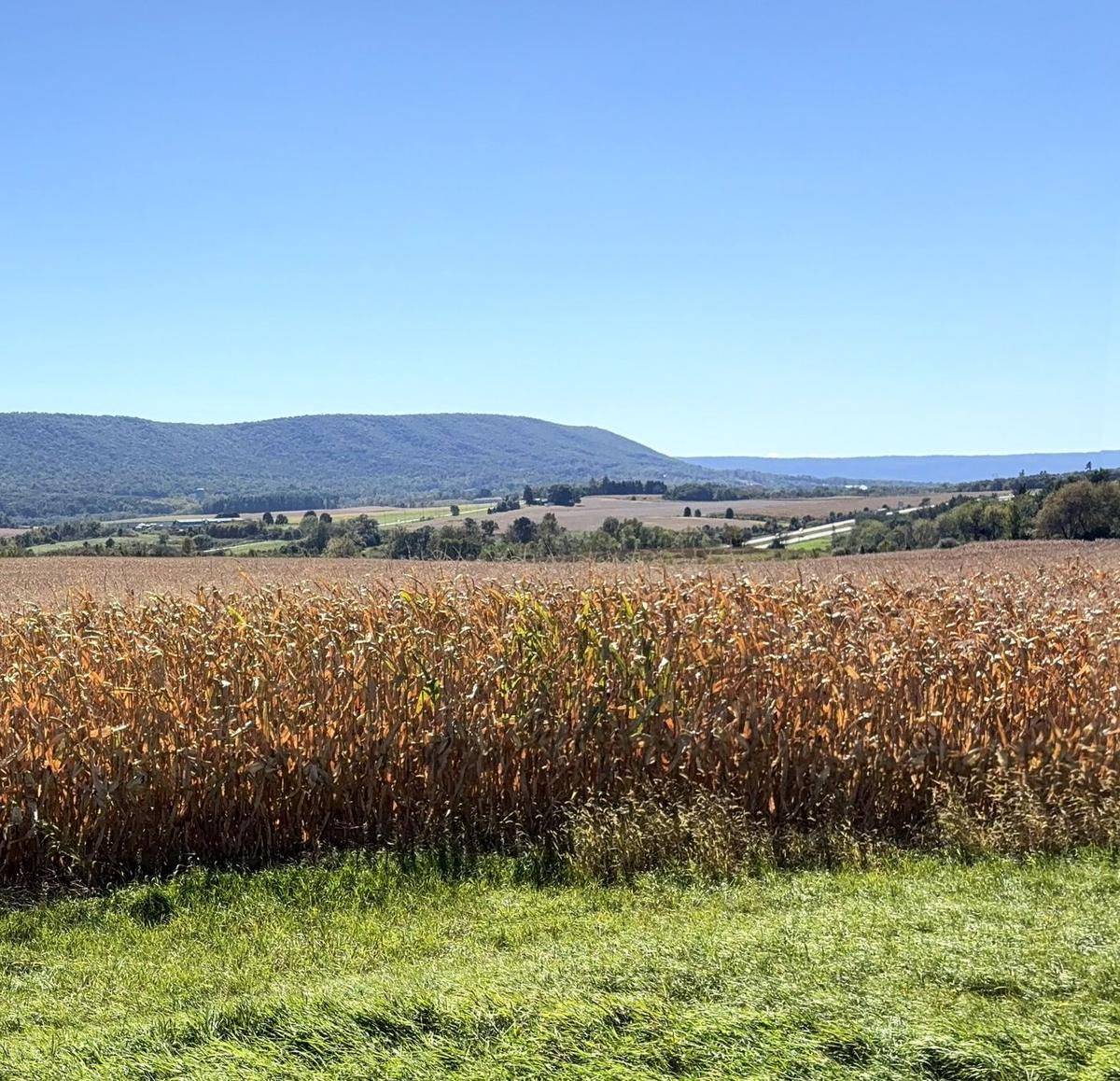
A working research site near Bellefonte, PA, established through a partnership between the Foundation and a major land-grant university.
The land is managed regeneratively under the guidance of an Advisory Committee, so researchers can study soil, crops, livestock and natural cycles inside a truly healthy system. That matters: most agricultural research is done on conventionally managed ground, which can't show what a fully regenerative system is capable of.
Research
Independent, field-scale studies on questions farmers have asked, at a scale that reflects real production.
Education
A hub where farmers, agronomists and students can see regenerative practices at work and learn from the results.
Defined by principles, not a single set of rules.
Regenerative agriculture is a way of farming that builds soil health and natural systems over time, rather than depleting them. Because it rests on principles, it works across dairy, livestock, grain, vegetable and specialty operations.
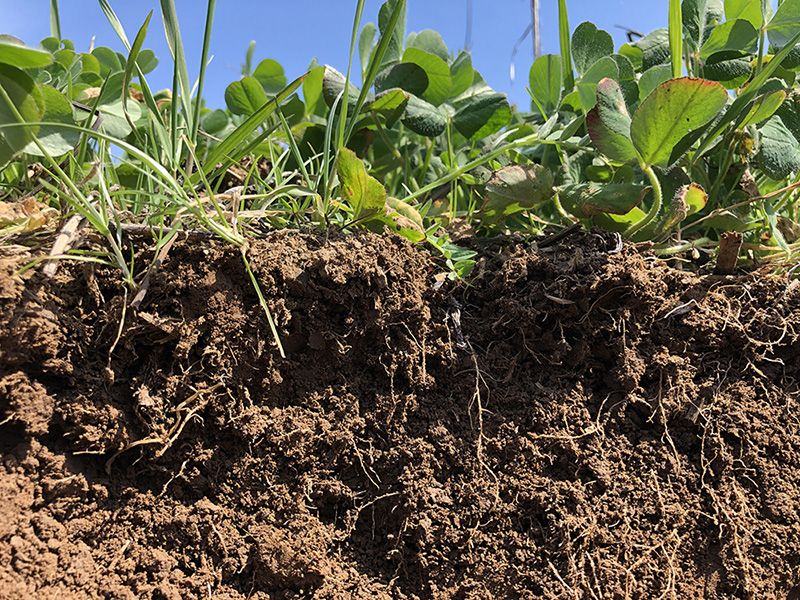
- Minimize soil disturbance
- Minimize chemical and fertilizer inputs
- Keep a living plant in the soil at all times
- Keep the soil covered with live plants or crop residue
- Maximize crop and biological diversity
- Integrate livestock and manure into the production cycle
- Manage in ways that mimic nature
- Restore natural cycles: nutrient, water, carbon and predator/prey
- Strengthen natural relationships: plants and soil microbes, livestock and land, pests and predators, people and land
Governed by farmers, for farmers.
The Foundation is a nonprofit incorporated in the Commonwealth of Pennsylvania. Its nine-member Board of Directors is made up of farm owners and operators representing Pennsylvania's major agricultural enterprises, each elected to a three-year term. An advisory team of agricultural professionals supports the board.
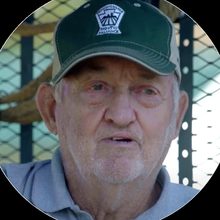
Joel Myers
Retired agronomist, crop farmer
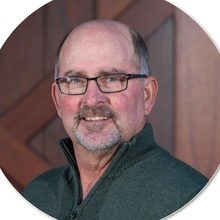
Jim Hershey
Crop farmer, poultry, hogs

Steve Groff
Vegetable farmer, hemp, sheep, educator
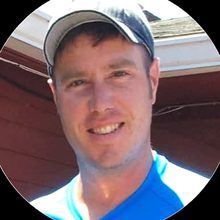
Andy Flinchbaugh
Crop farmer; family orchard, farm market and agritourism
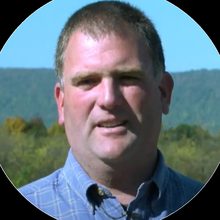
Ben Peckman
Dairy farmer, small beef herd, specialty crops
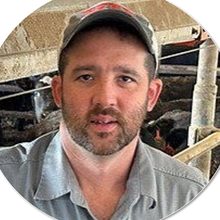
Scotty Miller
Farm manager at Masonic Village, crops and beef
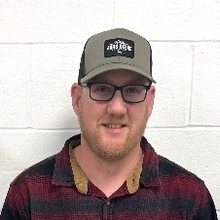
Steve Chapin
Crop farmer, snap beans
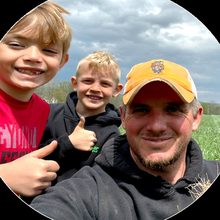
Matt Ulmer
Crop farmer, former dairy, equipment representative
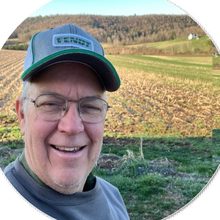
Dave Johnson
Certified organic row crops, beef, hogs; seed cleaner & supplier
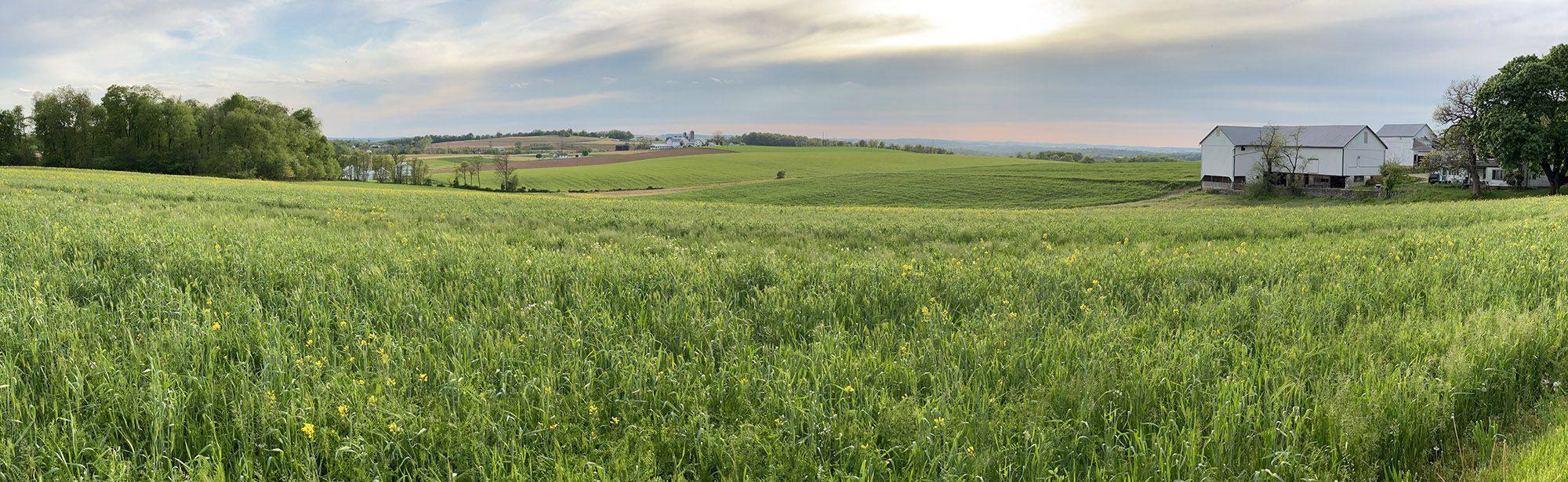
Our farmers already have the proof. Help us turn it into evidence everyone can use.
Partner
Agribusinesses, lenders, conservation groups and foundations can sponsor research priorities.
Partnership details to followI'm interestedShare your farm's story
Farmers practicing regenerative methods can help shape the research agenda.
Process to followI'm interestedThanks. You're on the list.
We'll be in touch about the interests you picked. Watch your inbox for research updates from Living Proof Ag Research.